


• A new brain imaging study maps how people imagine scenes, sounds and inner voices, finding that different types of mental imagery engage distinct but overlapping high-level networks.
    A new brain imaging study maps how people imagine scenes, sounds and inner voices, finding that different types of mental imagery engage distinct but overlapping high-level networks.
    0 Comments 0 Shares 31 Views 0 Reviews

  • 0 Comments 0 Shares 46 Views 0 Reviews
  • A new @SciImmunology study highlights a gene delivery platform that can induce lung-specific immunomodulatory cytokine expression without systemic side effects in mice, restricting tissue damage after flu infections.
    A new @SciImmunology study highlights a gene delivery platform that can induce lung-specific immunomodulatory cytokine expression without systemic side effects in mice, restricting tissue damage after flu infections.
    0 Comments 0 Shares 23 Views 0 Reviews
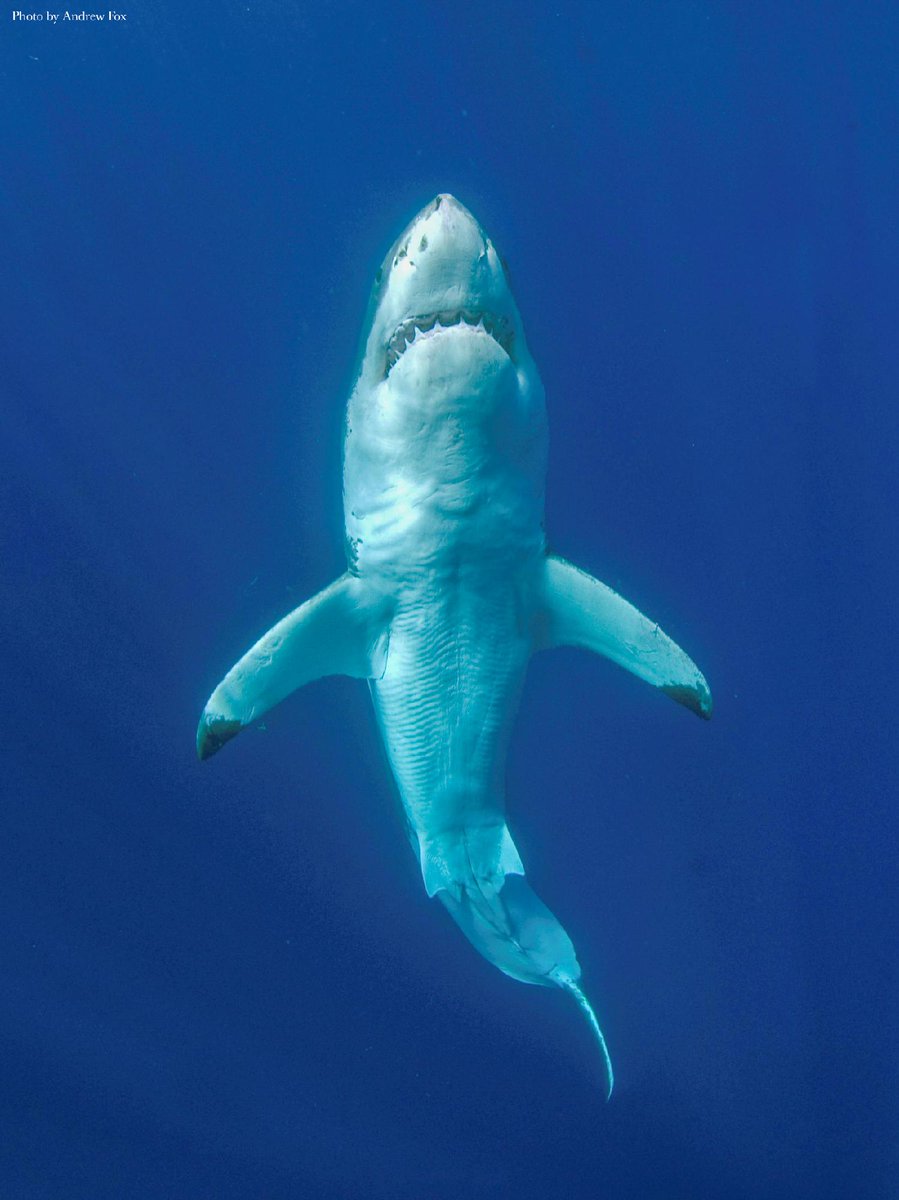
  • Large, warm-bodied fish, like sharks and tuna, may owe their dominance to being able to retain their own body heat, but that advantage comes at a cost.

    According to a new study in Science, these mesothermic species require nearly four times more energy than other fish, and as oceans warm, their tendency to generate heat faster than they can lose it may push these already vulnerable species closer to the brink of extinction.
    Large, warm-bodied fish, like sharks and tuna, may owe their dominance to being able to retain their own body heat, but that advantage comes at a cost. According to a new study in Science, these mesothermic species require nearly four times more energy than other fish, and as oceans warm, their tendency to generate heat faster than they can lose it may push these already vulnerable species closer to the brink of extinction.
    0 Comments 0 Shares 27 Views 0 Reviews
  • "Many people will feel stuck in a rut at some point during their Ph.D. My advice is to find another activity outside the lab, so when your research isn’t going well, you’ve got something else to turn to." #ScienceWorkingLife
    "Many people will feel stuck in a rut at some point during their Ph.D. My advice is to find another activity outside the lab, so when your research isn’t going well, you’ve got something else to turn to." #ScienceWorkingLife
    0 Comments 0 Shares 25 Views 0 Reviews
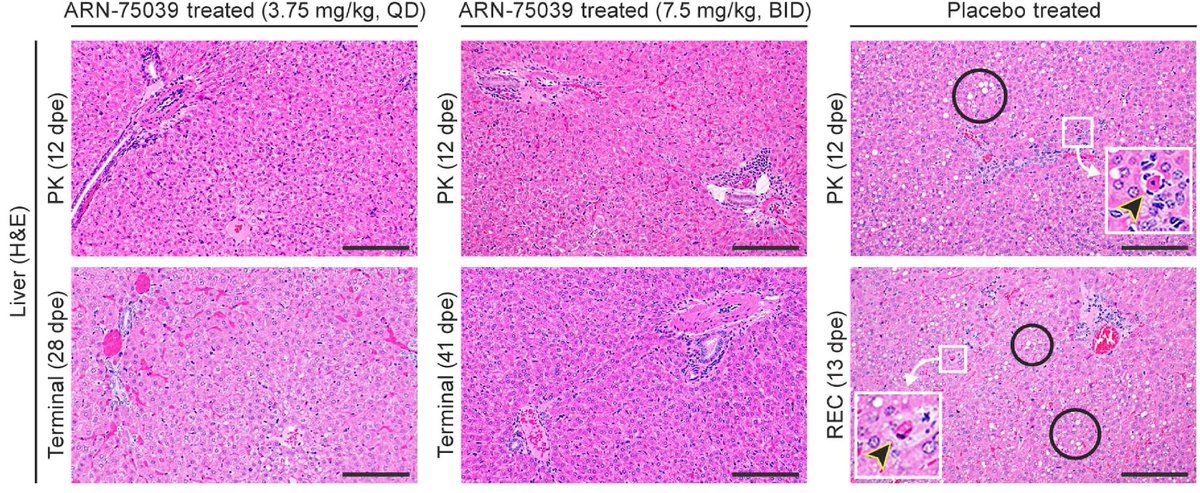
  • The experimental small-molecule inhibitor ARN-75039 offers strong protection against #LassaVirus infection in guinea pigs at varying dosing schedules and when given as long as 7 days postexposure, according to new work in @ScienceTM.
    The experimental small-molecule inhibitor ARN-75039 offers strong protection against #LassaVirus infection in guinea pigs at varying dosing schedules and when given as long as 7 days postexposure, according to new work in @ScienceTM.
    0 Comments 0 Shares 48 Views 0 Reviews
  • Observations from the spaceborne eROSITA X-ray telescope have enabled researchers to distinguish the soft X-ray glow emanating from within our Solar System from that of more distant sources, providing a clearer picture of the true cosmic soft X-ray background, according to a new study in Science.

    Learn more:
    Observations from the spaceborne eROSITA X-ray telescope have enabled researchers to distinguish the soft X-ray glow emanating from within our Solar System from that of more distant sources, providing a clearer picture of the true cosmic soft X-ray background, according to a new study in Science. Learn more:
    0 Comments 0 Shares 32 Views 0 Reviews
  • For decades, biology textbooks have enshrined a simple rule: DNA is made by copying a template. After one enzyme unzips a DNA double helix into separate strands, another called a polymerase builds a complementary sequence, base by base, for each strand. Presto: two copies of the original DNA.

    But new research into how bacteria defend themselves from viruses now shows this synthesis rule isn’t absolute.

    Now, a team describes a bacterial enzyme that synthesizes DNA without a nucleic acid template, using its own structure as a guide.

    Learn more: @NewsfromScience
    For decades, biology textbooks have enshrined a simple rule: DNA is made by copying a template. After one enzyme unzips a DNA double helix into separate strands, another called a polymerase builds a complementary sequence, base by base, for each strand. Presto: two copies of the original DNA. But new research into how bacteria defend themselves from viruses now shows this synthesis rule isn’t absolute. Now, a team describes a bacterial enzyme that synthesizes DNA without a nucleic acid template, using its own structure as a guide. Learn more: @NewsfromScience
    0 Comments 0 Shares 28 Views 0 Reviews