ScienceMagazine
  • ID: 0062001100000005
  • 1 أشخاص أعجبهم هذا
  • 922 المنشورات
  • 1 الصور
  • مراجعات
  • News and Politics
البحث
التحديثات الأخيرة
  • "The academic structure … makes planning for a family feel like an impossible luxury."

    In this #ScienceWorkingLife, two postdocs share how, as women in academia, having children can feel impossible—and how talking about it makes them feel less alone. #InternationalDayOfFriendship
    "The academic structure … makes planning for a family feel like an impossible luxury." In this #ScienceWorkingLife, two postdocs share how, as women in academia, having children can feel impossible—and how talking about it makes them feel less alone. #InternationalDayOfFriendship
    0 التعليقات 0 المشاركات 1 مشاهدة 0 مراجعات
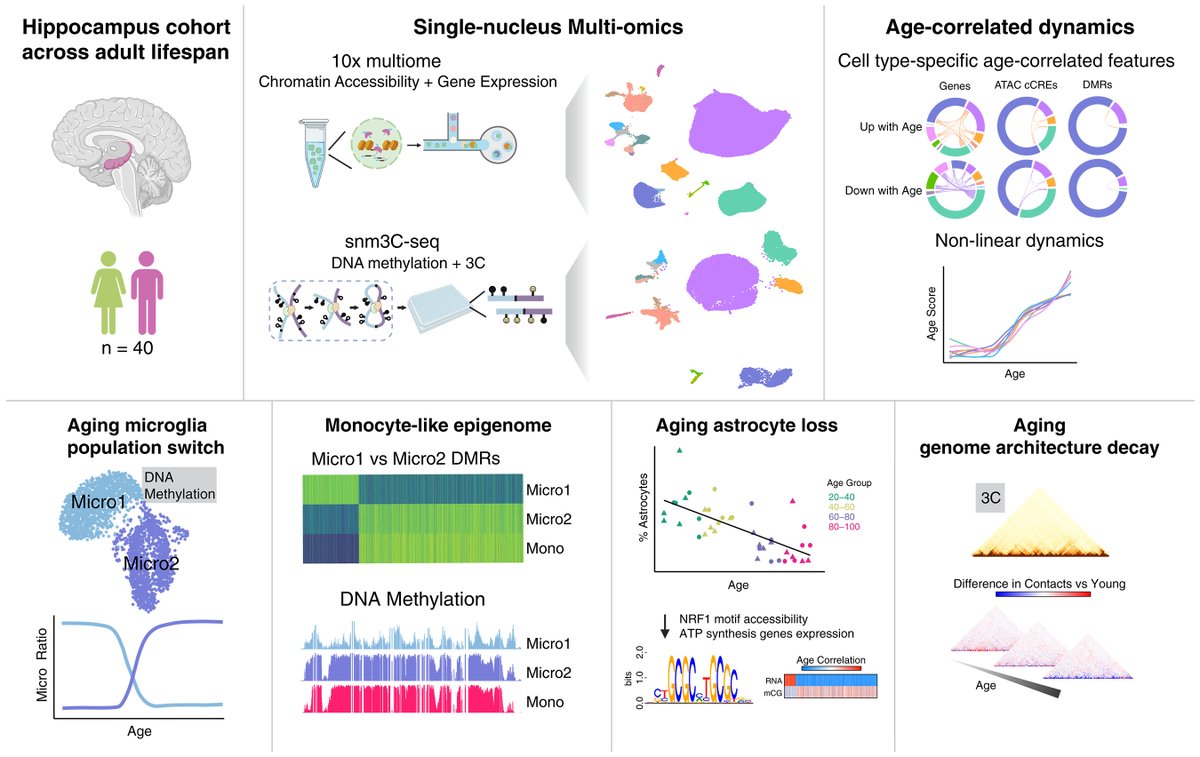
  • A new analysis in Science provides insights for how altered gene regulatory programs promote cell type–specific aging phenotypes in the human brain.

    Learn more:
    A new analysis in Science provides insights for how altered gene regulatory programs promote cell type–specific aging phenotypes in the human brain. Learn more:
    0 التعليقات 0 المشاركات 1 مشاهدة 0 مراجعات
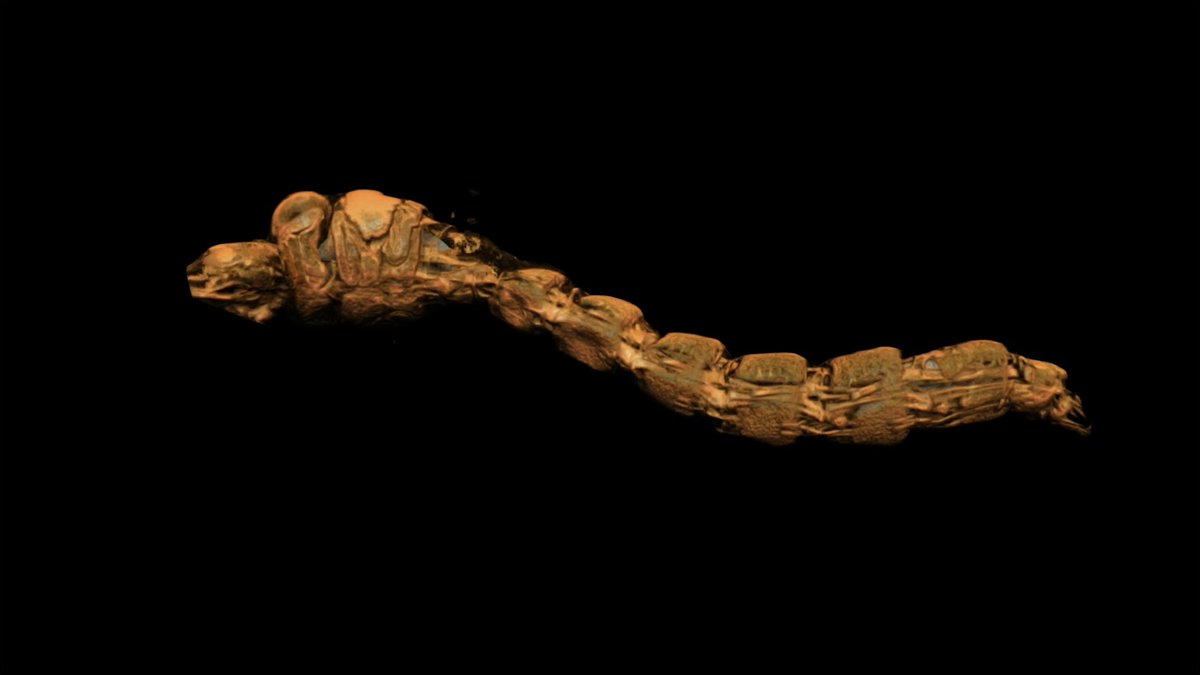
  • Glassworms can hang out at pressures that would kill most humans, thanks to these specialized air sacs.

    Learn more: @NewsfromScience
    Glassworms can hang out at pressures that would kill most humans, thanks to these specialized air sacs. Learn more: @NewsfromScience
    0 التعليقات 0 المشاركات 1 مشاهدة 0 مراجعات
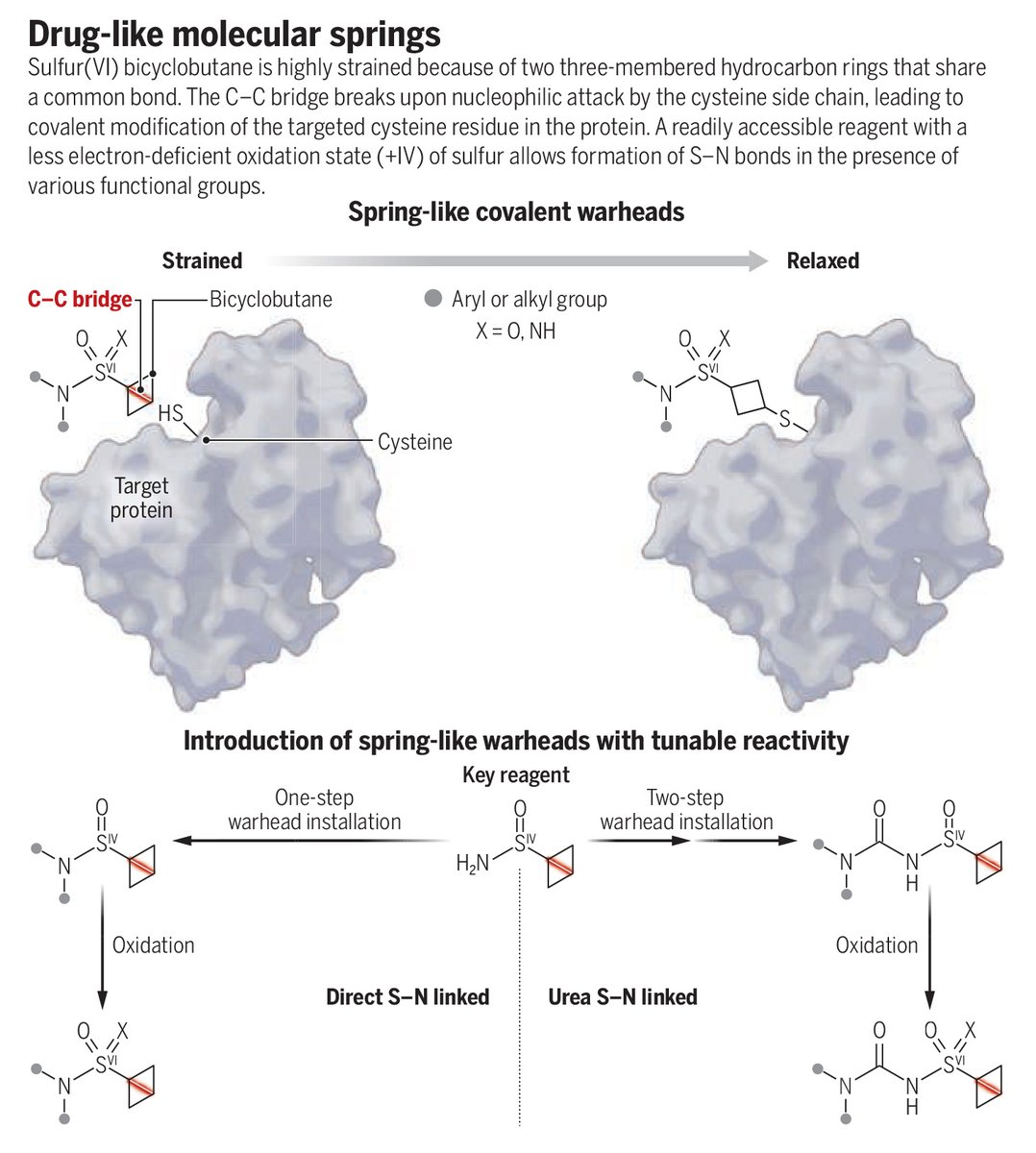
  • Drug candidates that form covalent bonds with their targets were historically avoided because of toxicity concerns. However, covalent drugs with controlled reactivity are now recognized as promising agents that combine manageable safety with substantial advantages, including enhanced potency, prolonged target residence times, and access to challenging targets.

    This shift is reflected in recent covalent drug approvals, particularly those targeting protein-phosphorylating enzymes (kinases) and cancer drivers such as the oncogenic protein KRAS. A central feature of these drugs is a “warhead” reacting with an amino acid residue in the target protein to form a covalent bond. Yet the repertoire of drug-like, chemically accessible reactive moieties remains limited.

    In a new Science study, researchers report streamlined access to an underexplored warhead type with well-tempered reactivity that can be appended to complex scaffolds late in synthesis, enabling practical use in drug discovery.

    Learn more in a new #SciencePerspective:
    Drug candidates that form covalent bonds with their targets were historically avoided because of toxicity concerns. However, covalent drugs with controlled reactivity are now recognized as promising agents that combine manageable safety with substantial advantages, including enhanced potency, prolonged target residence times, and access to challenging targets. This shift is reflected in recent covalent drug approvals, particularly those targeting protein-phosphorylating enzymes (kinases) and cancer drivers such as the oncogenic protein KRAS. A central feature of these drugs is a “warhead” reacting with an amino acid residue in the target protein to form a covalent bond. Yet the repertoire of drug-like, chemically accessible reactive moieties remains limited. In a new Science study, researchers report streamlined access to an underexplored warhead type with well-tempered reactivity that can be appended to complex scaffolds late in synthesis, enabling practical use in drug discovery. Learn more in a new #SciencePerspective:

    0 التعليقات 0 المشاركات 1 مشاهدة 0 مراجعات
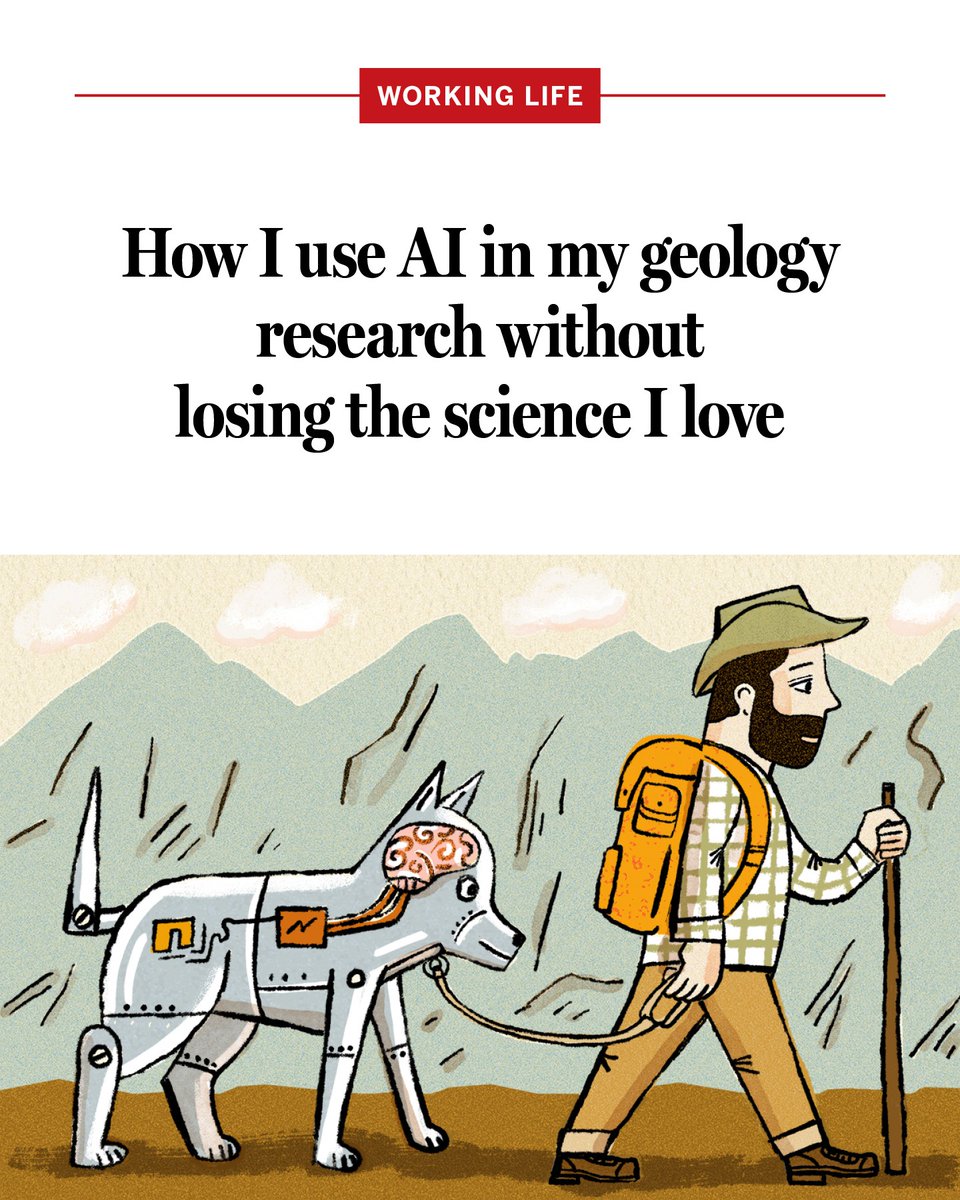
  • "… I have learned that this evolving world doesn’t have to be the end for the science I love. I can embrace the blocks of code without losing the rocks that brought me here in the first place." #ScienceWorkingLife
    "… I have learned that this evolving world doesn’t have to be the end for the science I love. I can embrace the blocks of code without losing the rocks that brought me here in the first place." #ScienceWorkingLife
    0 التعليقات 0 المشاركات 1 مشاهدة 0 مراجعات
  • A tiny fly larva living in one of Africa's deepest lakes has evolved air-filled organs strong enough to withstand pressures found more than 200 meters underwater, according to a new Science study.

    The findings challenge a long-standing explanation for why insects have never colonized the open ocean.
    A tiny fly larva living in one of Africa's deepest lakes has evolved air-filled organs strong enough to withstand pressures found more than 200 meters underwater, according to a new Science study. The findings challenge a long-standing explanation for why insects have never colonized the open ocean.
    0 التعليقات 0 المشاركات 1 مشاهدة 0 مراجعات
  • “Future research can pave the way for #bioinspired #multimodal robots that not only parallel but also surpass the agility, efficiency, and adaptability of biological counterparts,” researchers write in a new @SciRobotics Review.
    “Future research can pave the way for #bioinspired #multimodal robots that not only parallel but also surpass the agility, efficiency, and adaptability of biological counterparts,” researchers write in a new @SciRobotics Review.
    0 التعليقات 0 المشاركات 2 مشاهدة 0 مراجعات
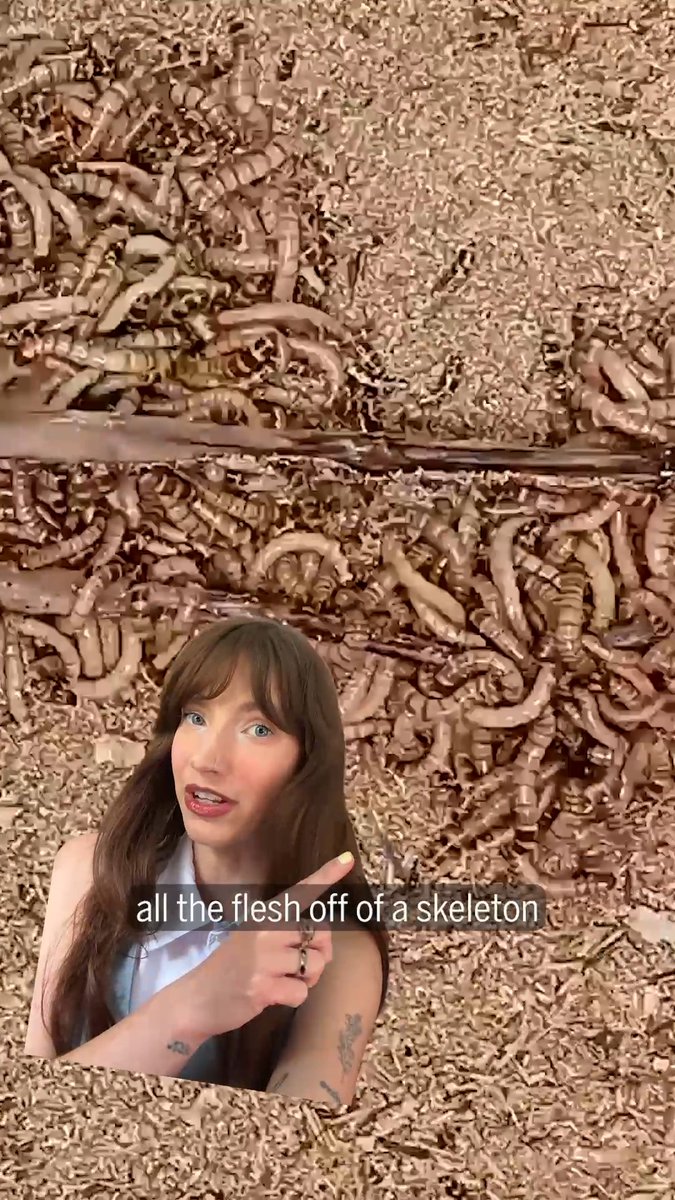
  • Museum curators faced with cleaning animal skeletons for display may soon turn to an unusual new tool: flesh-eating beetle larvae known as “superworms.”

    These superworms can clean up an animal carcass in a matter of hours or days while keeping the bones intact, researchers report.

    Learn more: @NewsfromScience
    Museum curators faced with cleaning animal skeletons for display may soon turn to an unusual new tool: flesh-eating beetle larvae known as “superworms.” These superworms can clean up an animal carcass in a matter of hours or days while keeping the bones intact, researchers report. Learn more: @NewsfromScience
    0 التعليقات 0 المشاركات 1 مشاهدة 0 مراجعات
المزيد من المنشورات